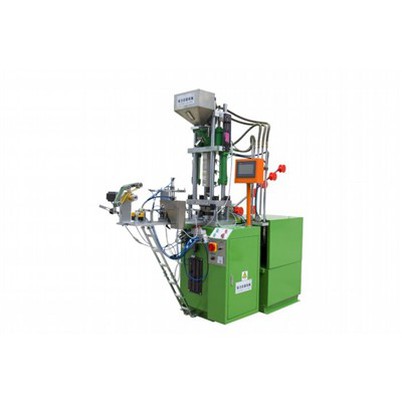
Analysis Of Key Materials in Resin Zipper Machines: The Cornerstone Of Precision Manufacturing
Leave a message
As a crucial piece of equipment for zipper forming, the material selection for the structure and components of a resin zipper machine directly impacts its durability, processing accuracy, and operational stability.Under high-speed, high-temperature, and cyclical load conditions, appropriate material selection not only reduces wear and failure rates but also ensures product consistency and production continuity. Therefore, material performance is one of the core considerations in equipment design and manufacturing.
The main frame is mostly made of high-quality carbon structural steel or low-alloy high-strength steel. These steels possess excellent rigidity, deformation resistance, and weldability, maintaining stable geometric accuracy under long-term vibration and load. Some high-end models employ heat treatment processes, such as tempering or surface hardening, in key stress areas to improve yield strength and fatigue life, ensuring that frame deformation is controlled within the micron range during high-speed operation.
Transmission and moving parts are often made of alloy tool steel or stainless steel. Gears, cams, and guide rails endure repeated friction and impact during operation. Alloy tool steel, after carburizing or nitriding, achieves a high-hardness surface and a tough core, effectively delaying wear and resisting pitting corrosion. Stainless steel, due to its excellent corrosion resistance, is suitable for environments with high humidity or contact with corrosive media, avoiding jamming and precision degradation caused by rust.
Heating and temperature control elements are mostly based on nickel-chromium alloys or ceramic composites. Nickel-chromium heating wires maintain stable resistivity and oxidation resistance at high temperatures, ensuring rapid and uniform mold temperature rise. Ceramic heaters combine high thermal conductivity and a low coefficient of thermal expansion, reducing the impact of temperature fluctuations on resin molding and improving the consistency of gear dimensions.
Molds and pressing wheels that come into contact with the resin melt commonly use cemented carbide or tool steel with special surface treatments. Cemented carbide has high hardness and strong wear resistance, maintaining cavity smoothness for extended periods and reducing melt adhesion. Surface treatments such as titanium plating or diamond-like carbon coatings further reduce the coefficient of friction and improve corrosion resistance, extending mold life and reducing maintenance frequency.
In summary, the material system of resin zipper machines focuses on mechanical properties, heat resistance, and corrosion resistance. Through the synergistic application of multiple materials, the equipment can operate reliably under harsh conditions, providing a solid physical foundation for high-quality zipper manufacturing.