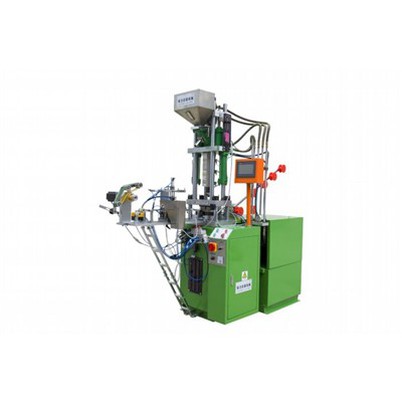
Scientific Setting and Practical Points for Resin Zipper Machine Maintenance Cycles
Leave a message
Resin zipper machines undertake continuous molding and precision machining tasks in zipper production. Their stable performance depends on a scientifically sound and reasonable maintenance cycle. Different components have different workloads, material characteristics, and failure modes, requiring differentiated maintenance frequencies to achieve a balance between preventative maintenance and cost control.
Daily maintenance should be performed at the end of each shift and is considered high-frequency basic maintenance. This includes removing resin debris and dust from the machine body and guide rails, checking the lubrication of transmission parts and replenishing the appropriate amount of lubricating oil (grease), confirming that the heating system temperature display is normal, and checking that safety devices such as emergency stop and limit switches are functioning properly. This type of maintenance can promptly eliminate minor contamination and insufficient lubrication during operation, preventing small problems from accumulating into malfunctions.
Weekly maintenance cycles are suitable for more detailed inspections of moving parts and vulnerable components. The following procedures are necessary: Servo motor and reducer operating noise and temperature rise must be checked; timing belt or chain tension must be verified and adjusted to the specified range; air filter elements must be cleaned or replaced to ensure airflow cleanliness; and the mold cavity surface must be inspected to remove minor material buildup and burrs. Weekly inspections effectively identify potential wear trends, providing a basis for monthly in-depth maintenance.
Monthly maintenance should be considered a systematic overhaul. This involves disassembling and cleaning the gearbox, replacing the lubricating oil with the correct type, verifying the accuracy and response speed of the temperature control module, detecting changes in heating element resistance to predict aging risks, and performing tightness and insulation tests on electrical terminals. For equipment operating under high loads for extended periods, bearing clearance and guide rail straightness should also be assessed, with readjustment or replacement as necessary.
Annual maintenance is a crucial step for comprehensive performance recovery and lifespan extension. In addition to recurring monthly tasks, the entire machine needs precision calibration, including checks on traction synchronization error, pressing pressure uniformity, and cutting positioning repeatability; flaw detection assessment of structural welds and frame rigidity; replacement of seals and filters nearing the end of their service life; and optimization of the next maintenance cycle plan based on operating records.
Maintenance cycles should be dynamically adjusted based on equipment usage intensity, production environment, and historical fault data to avoid resource waste from over-maintenance or missed inspections due to excessively long intervals. By strictly implementing a tiered, planned maintenance system, resin zipper machines can continuously maintain processing accuracy and operational efficiency, providing a solid guarantee for high-quality production.