Nylon Zipper Machine Process Flow: A Systematic Path for Precision Molding of Polymer Materials
Leave a message
As the core equipment for achieving large-scale, high-quality production of nylon zippers, the nylon zipper machine's process flow is based on the physicochemical properties of polyamide materials.Through the close connection of multiple processes and precise parameter control, it transforms raw materials into finished zippers that combine flexibility, strength, and aesthetics. The entire process not only emphasizes the continuity and stability between processes but also focuses on strict control of the material processing window to ensure reliable performance of the product in diverse application scenarios.
The process flow begins with raw material pretreatment and extrusion molding. The main raw material for nylon zippers is polyamide chips. The equipment first feeds the chips into a temperature-controlled extrusion unit, where they melt and extrude continuous filaments under a set temperature and pressure curve. This step requires precise control of the melt temperature and cooling rate to avoid material degradation due to overheating or internal stress caused by uneven cooling, which would affect the resilience and dimensional consistency of the zipper teeth. The extruded filaments undergo multiple stages of stretching and shaping to obtain zipper tooth blanks with uniform thickness and stable mechanical properties, laying the foundation for subsequent molding.
The next step is the zipper tooth forming and insertion process. The blank wire is processed into the target tooth shape in a hot-pressing or injection molding module, with the tooth height, pitch, and angle parameters of the mold strictly corresponding to the product specifications. After forming, the zipper teeth are inserted into the fabric tape grooves at preset intervals via a guiding and positioning mechanism. This process requires the use of a constant tension pushing and pressing device to ensure the zipper tooth root fully integrates with the fabric tape fibers, forming a stable mechanical connection. For zippers requiring color or special surface effects, dyeing or coating treatments can be applied before and after insertion to expand visual and functional versatility.
Next is fabric tape reinforcement and sewing. After the zipper teeth are inserted, the edges of the fabric tape need to be reinforced by a sewing unit to prevent tearing or tooth detachment during use. The tension and stitch spacing of the sewing thread need to be adjusted according to the material thickness and application scenario. For example, zippers for outdoor equipment require higher density and strength sewing to withstand frequent opening and closing and external pulling.
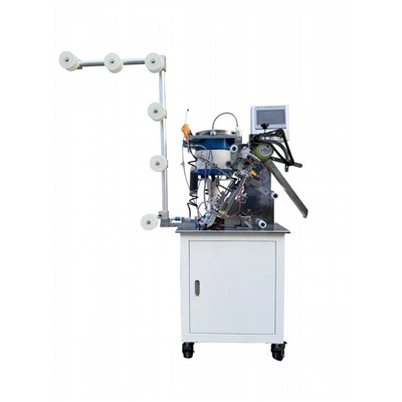
Finally, the zipper pull is assembled and its functionality is tested. The equipment utilizes a vibratory feeder for sorting and positioning to accurately guide the zipper head into the zipper tooth closing path. Sensors monitor the pulling resistance and engagement smoothness in real time, automatically rejecting defective products that are stuck, too loose, or make abnormal noise. This inspection step is a crucial barrier to ensure the comfort and reliability of the finished product.
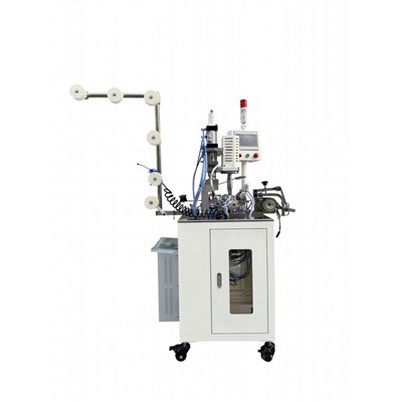
Finally, there is process parameter monitoring and data traceability. Modern nylon zipper machines generally integrate PLC or industrial computer control systems to collect and store key data such as temperature, pressure, and tension in real time. This provides a scientific basis for process optimization, quality analysis, and batch traceability, supporting flexible production and continuous improvement.
In summary, the process flow of a nylon zipper machine is a systematic path from raw material melting to finished product inspection, integrating polymer material processing, precision mechanical forming, and intelligent control technology. This not only ensures the advantages of nylon zippers in terms of lightweight and versatility but also provides a stable and efficient connection solution for downstream manufacturing industries.