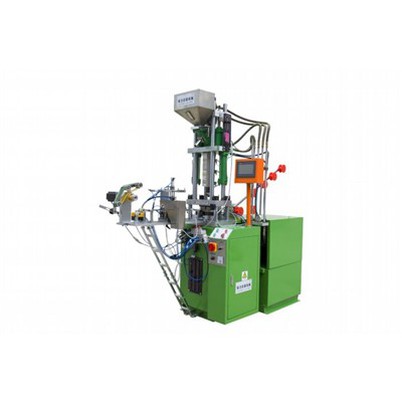
Key Points for Daily Maintenance of Resin Zipper Machines: Key Measures to Ensure Stable Operation
Leave a message
In the zipper manufacturing industry, resin zipper machines are core production equipment. Their operational stability and processing precision directly affect product quality and production efficiency. Due to the characteristics of resin materials and the high requirements of the precision structure of the equipment for the working environment and operating procedures, daily maintenance must be systematic and targeted. Scientific maintenance extends equipment life and reduces failure rates.
Cleaning is the foundation of daily maintenance. Resin zipper machines are prone to accumulating resin debris, dust, and oil during production. If not cleaned in time, this may clog the gaps in transmission components or affect sensor sensitivity. It is recommended to wipe the machine surface with a dry, soft cloth after each shift, focusing on cleaning areas prone to material accumulation such as guide rails and pressing rollers. For precision parts such as mold cavities, use a special brush with anhydrous ethanol to gently wipe, avoiding scratching with hard objects to prevent damage to the surface finish. Special attention should be paid to disconnecting the power supply during cleaning to prevent accidental start-up and potential safety risks.
Lubrication management should follow the principles of "timed, fixed location, and fixed quality." Moving parts of the equipment, such as gearboxes, bearings, and sliding guides, require regular replenishment or replacement of appropriate lubricating oil (grease) according to the manufacturer's technical requirements. For example, it is recommended to check the oil level of high-speed transmission gears every 500 hours and add the same type of lubricating oil if insufficient; linear guides require a small amount of high-temperature grease to be applied weekly to ensure a stable coefficient of friction. Inferior grease should be avoided to prevent impurities from accelerating component wear.
Parameter monitoring and component inspection are equally important. Operators should verify that key parameters such as temperature and pressure are within the set range before starting the machine, and pay attention to abnormal signals such as unusual noises and vibrations during operation-for example, uneven teeth during zipper forming may be caused by uneven pressure from the pressing rollers or temperature control deviations in the heating module, requiring immediate shutdown and troubleshooting. In addition, the tension of the transmission belt and the anti-loosening markings of the fastening bolts should be checked monthly to prevent a decrease in positioning accuracy due to loosening.
The essence of daily maintenance is to eliminate potential problems at the outset through preventative maintenance. Enterprises need to strengthen operator training, clarify maintenance procedures and standards, and establish record-keeping to track maintenance effectiveness. Only by integrating meticulous management into daily operations can we ensure that resin zipper machines consistently deliver stable performance, thus laying a solid foundation for high-quality zipper production.