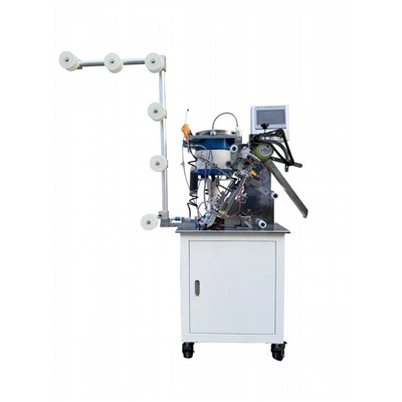
How can a Metal Zipper Gapping Machine optimize the manufacturing workflow for high-end zippers?
Leave a message
The production of high-quality metal zippers requires extreme precision, especially during the stage of removing teeth to create gaps for sliders and top stops. A Metal Zipper Gapping Machine is the specialized equipment designed to handle this task by accurately clearing metal teeth from a continuous chain tape according to pre-set lengths. In the current garment accessory industry, the shift toward automation has made these machines indispensable. Professional manufacturers now prefer fully automatic models equipped with PLC control systems and high-sensitivity sensors. These sensors detect the zipper tape's position to ensure that every gap is uniform, which is critical for maintaining the structural integrity of the final product. Industry consulting suggests that as fashion brands demand more customized zipper lengths, the flexibility of gapping equipment becomes a core competitive advantage for factories.
Regarding the technical operation, using a Metal Zipper Gapping Machine involves several precise steps to ensure safety and quality. Operators must first input the desired "teeth-covered" length and the "gapping" length into the digital interface. The machine then feeds the long-chain zipper through a punch die system that strips away the brass or aluminum teeth without damaging the underlying fabric tape. Recent raw material dynamic news indicates that fluctuations in copper and zinc prices have led manufacturers to focus more on reducing material waste during the gapping process. Modern machines are now designed to recycle the removed metal teeth efficiently. Compared to nylon or plastic zipper machines, the metal variant requires much more robust punching molds and higher pressure. Regular maintenance of the molds and cleaning the tooth-scrap tray are essential steps to prevent machine jams and ensure a smooth, high-speed production line that meets international quality standards.