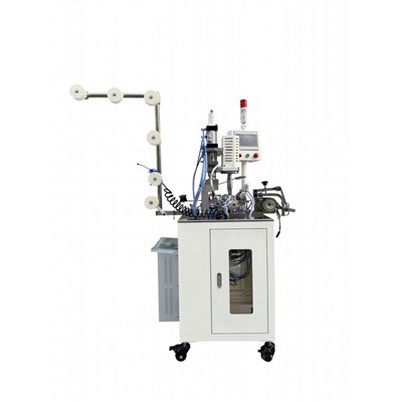
What is the electrical control system of a nylon zipper machine?
Leave a message

When it comes to the production of nylon zippers, the electrical control system of a nylon zipper machine plays a crucial role. As a leading supplier of nylon zipper machines, I have witnessed firsthand the significance and complexity of these electrical control systems in the manufacturing process. In this blog, I will delve into what the electrical control system of a nylon zipper machine is, its key components, functions, and its importance in ensuring efficient and high - quality zipper production.
What is an Electrical Control System in a Nylon Zipper Machine?
An electrical control system in a nylon zipper machine is a collection of electrical and electronic components that work together to manage and regulate the operation of the machine. It serves as the brain of the zipper machine, determining when and how different mechanical parts of the machine move, stop, and interact with each other. This system is designed to precisely control various processes involved in nylon zipper production, such as zipper teeth injection, slider installation, cutting, and gapping.
Key Components of the Electrical Control System
Programmable Logic Controller (PLC)
One of the central components of the electrical control system is the Programmable Logic Controller (PLC). The PLC is a digital computer used for automation of industrial processes. In a nylon zipper machine, it stores and executes control programs. These programs are written to sequence the operations of the machine accurately. For example, it can control the speed and timing of the injection molding process for the nylon zipper teeth. The PLC receives input signals from various sensors on the machine and then sends output signals to actuators, such as motors and solenoids, to perform specific actions.
Sensors
Sensors are essential for providing real - time information about the machine's operation to the PLC. There are several types of sensors used in nylon zipper machines. Optical sensors, for instance, can detect the presence or absence of zipper components at specific positions. They are used to ensure that the correct number of zipper teeth are injected or that the sliders are properly positioned before installation. Proximity sensors are used to detect the position of moving parts of the machine. They can signal the PLC when a certain part has reached a specific location, which is crucial for coordinating the different stages of zipper production.
Actuators
Actuators are the components that carry out the physical actions based on the signals received from the PLC. Electric motors are common actuators in nylon zipper machines. They are used to drive the conveyor belts that move the zipper materials through the different production stations, as well as to power the injection molding units. Solenoids are another type of actuator. They can be used to control the opening and closing of valves, which are important for processes like the injection of nylon material into the molds.
Human - Machine Interface (HMI)
The Human - Machine Interface (HMI) is the point of interaction between the operator and the electrical control system. It typically consists of a touch - screen panel where the operator can input commands, set parameters, and monitor the status of the machine. For example, the operator can set the production speed, the length of the zippers to be cut, and the number of teeth per unit length on the HMI. The HMI also displays important information such as error messages, production counts, and the status of different machine components.
Functions of the Electrical Control System
Process Automation
The primary function of the electrical control system is to automate the production process of nylon zippers. By using the PLC and associated sensors and actuators, the system can perform a series of complex operations without continuous manual intervention. This not only improves the production efficiency but also ensures consistent quality of the zippers. For example, the system can automatically adjust the injection pressure and temperature during the zipper teeth molding process based on pre - set parameters, resulting in uniform and high - quality teeth.
Quality Control
The electrical control system is also crucial for quality control. The sensors continuously monitor the production process, and if any deviation from the set standards is detected, the system can take corrective actions. For instance, if the optical sensor detects that a zipper tooth is missing or misaligned, the system can stop the production line immediately and alert the operator. This helps to reduce the number of defective products and improve the overall quality of the nylon zippers.
Safety Assurance
Safety is a top priority in any industrial production environment. The electrical control system of a nylon zipper machine includes safety features to protect the operators and the machine itself. Emergency stop buttons are directly connected to the electrical control system. When pressed, they immediately cut off the power supply to all the actuators, bringing the machine to a halt. Additionally, the sensors can detect abnormal conditions such as over - temperature or over - pressure in the injection molding units and trigger safety mechanisms to prevent damage.
Importance of a Well - Designed Electrical Control System
Efficiency and Productivity
A well - designed electrical control system can significantly improve the efficiency and productivity of a nylon zipper machine. By precisely controlling the timing and speed of each production stage, the system can reduce the cycle time of zipper production. This means that more zippers can be produced in a given period, increasing the overall output of the manufacturing facility. For example, a modern nylon zipper machine with an advanced electrical control system can produce zippers at a much faster rate compared to older machines with manual or less sophisticated control systems.
Cost - Effectiveness
In the long run, a high - quality electrical control system can be cost - effective. Although the initial investment in a well - designed system may be relatively high, it can lead to significant savings in the production process. By reducing the number of defective products and minimizing downtime due to machine breakdowns, the system helps to lower the production cost per zipper. Moreover, the automation provided by the electrical control system reduces the need for a large number of manual laborers, which also contributes to cost savings.
Adaptability and Flexibility
The electrical control system allows the nylon zipper machine to be adaptable and flexible. The PLC can be reprogrammed to change the production parameters according to different customer requirements. For example, if a customer requests a different type of zipper with a specific number of teeth or a unique slider design, the operator can easily modify the settings on the HMI, and the machine can quickly adjust to produce the new type of zipper. This flexibility enables the manufacturer to meet a wide range of market demands.
Our Nylon Zipper Machines and Their Electrical Control Systems
As a supplier of nylon zipper machines, we take pride in the quality and performance of our machines' electrical control systems. Our machines, such as the Nylon Zipper Two - way Open End Cutting Machine, Nylon Zipper Double Sliders Fixing Machine, and Nylon Zipper Gapping Machine, are equipped with state - of - the - art electrical control systems.
Our PLCs are programmed with advanced algorithms to ensure precise control of all production processes. The sensors we use are highly sensitive and reliable, providing accurate feedback to the control system. The HMIs are user - friendly, allowing operators to easily set and adjust the production parameters. We also offer regular software updates for the electrical control systems to keep up with the latest technological advancements and to improve the performance of our machines.
Conclusion
In conclusion, the electrical control system of a nylon zipper machine is a complex but essential part of the zipper production process. It plays a vital role in automating the production, ensuring quality control, and guaranteeing safety. A well - designed electrical control system can bring numerous benefits, including increased efficiency, cost - effectiveness, and adaptability. As a nylon zipper machine supplier, we are committed to providing our customers with machines that are equipped with the best electrical control systems. If you are interested in our nylon zipper machines or have any questions about their electrical control systems, please feel free to contact us for further discussion and potential procurement opportunities.


References
- Industrial Automation Handbook: Covers general knowledge about PLCs, sensors, and actuators in industrial settings.
- Zipper Manufacturing Technology Journals: Provide in - depth information on the specific requirements of electrical control systems in nylon zipper machines.